
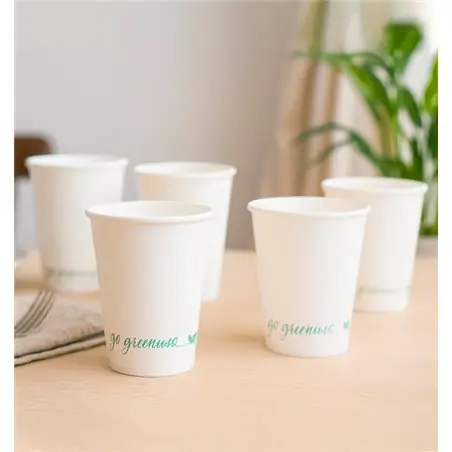
Biodegradable cups have become a key option for those looking to reduce the environmental impact of disposable product consumption. These cups offer an alternative that helps decrease waste volume, supporting more environmentally friendly production and consumption models. Learning about their materials, benefits, and uses will allow you to make more responsible, sustainability-aligned decisions.
Biodegradable cups stand out for their ability to decompose naturally and safely, returning their components to the environment in a reduced timeframe. This characteristic makes them a key choice for events, hospitality, and responsible consumption.
Common materials
A biodegradable cup is made from materials that, after use, can be transformed by microorganisms into simple elements without leaving toxic residues. The most common materials include:
- PLA (polylactic acid): Sourced from corn starch, it is used in cups and containers for both cold and hot beverages. It is suitable for industrial composting.
- Biodegradable coated cardboard: Certified cardboard is often combined with an internal PLA film, avoiding the use of traditional plastics.
- Sugarcane (bagasse): A plant-based material resulting from the sugar industry, ideal for sturdy and natural cups.
- Plant fibers: Other agricultural residues can also be used to a lesser extent to create biodegradable products.
These materials ensure that cups degrade under suitable conditions, helping to reduce the time waste remains in landfills.
Difference between biodegradable, compostable, and recyclable
Understanding the distinction between these terms is key:
- Biodegradable: The cup breaks down through biological action in a reasonable timeframe, leaving no toxic elements. The speed and necessary conditions can vary depending on the material.
- Compostable: Besides being biodegradable, the cup can turn into compost or fertilizer in industrial or household facilities, in a controlled process taking less than 12 weeks according to European standard EN 13432.
- Recyclable: The cup can be reused as raw material to produce new products, but it is not necessarily biodegradable or compostable.
In summary, biodegradable cups are usually also compostable, but not all recyclable cups are biodegradable. To ensure responsible behavior, it’s important to verify if they meet certifications like EN 13432, which guarantee safe decomposition and composting.
Choosing biodegradable cups can significantly reduce the volume of plastic waste and support solutions aligned with sustainability.
Advantages of biodegradable cups
Biodegradable cups stand out for their positive impact on the environment and their benefits for both consumers and companies. Their advantages contribute to more efficient waste management and the development of responsible business models.
Positive impact on waste reduction
Using biodegradable cups helps decrease single-use plastic accumulation in landfills and natural surroundings. By decomposing quickly without releasing toxic substances, these cups reduce the environmental footprint and facilitate municipal waste management. Their degradation prevents visual and soil pollution, making them preferred in public events, catering, and hospitality.
Contribution to the circular economy
Opting for biodegradable cups fosters a more sustainable life cycle for disposable products. Materials such as PLA, certified cardboard, or plant fibers come from renewable sources and can reintegrate into the environment, either as compost or in the production of new objects. This model supports the circular economy, where waste becomes a resource.
- Utilization of agricultural by-products and plant residues
- Reduction in fossil fuel use, an aspect that differentiates biodegradable cups from conventional ones
- Promotion of recycling and industrial composting processes, closing the product life cycle
Benefits for companies opting for sustainable practices
Implementing biodegradable cups offers companies competitive and reputational advantages. Adopting these solutions conveys a commitment to sustainability and responds to an increasing demand from consumers who prioritize environmental respect. Additionally, it reduces the risk of penalties in light of increasingly strict regulations against conventional plastics.
- Improves brand image thanks to alignment with ecological values
- Facilitates adaptation to current legal and social requirements
- Allows differentiation in the market and attracts a more conscious public
Using biodegradable cups helps reduce waste volume and reinforces organizational commitment to sustainability and environmental protection.
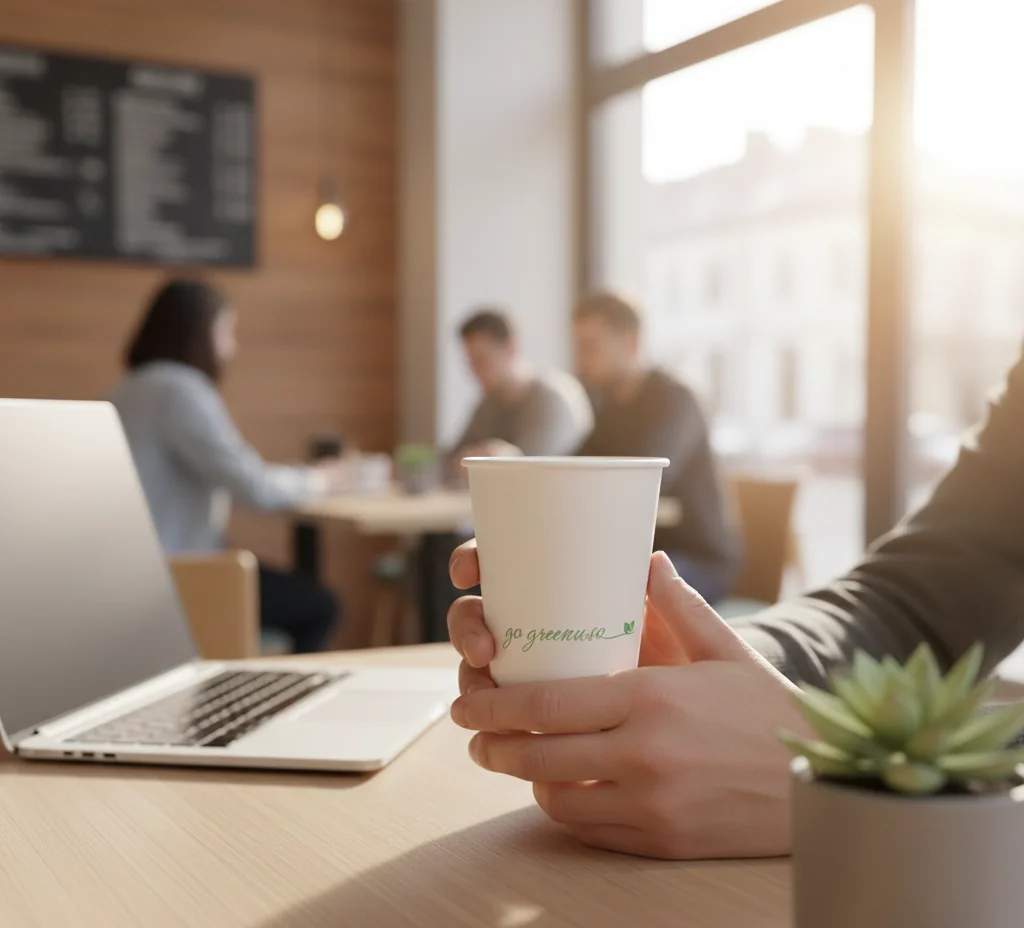
Benefits of using biodegradable cups
The use of biodegradable cups provides direct advantages to consumers, companies, and the environment. Below, the main benefits associated with choosing these products are detailed.
Promotion of responsible consumption and environmental care
Biodegradable cups encourage conscious consumption habits. Made from renewable and non-toxic materials, they prevent plastic waste accumulation, contributing to clean terrestrial and aquatic ecosystems. Investing in biodegradable products supports reducing pollution from conventional plastics and helps maintain air and soil quality.
Facilitates a transition to a more sustainable lifestyle
Consumers choosing biodegradable cups actively participate in a societal model change based on sustainability. These cups allow small everyday actions, such as having a drink away from home, to have a lesser environmental impact. Moreover, they facilitate efficient household and institutional waste management, as their degradation is quicker and easier when placed in suitable composting or eco-efficient treatment circuits.
For those looking to move towards environmentally friendly lifestyles, using biodegradable cups is a simple, practical, and accessible way to contribute daily.
Boosts corporate commitment to sustainability
Companies opting for biodegradable cups demonstrate a responsible attitude aligned with current social and environmental demands. This gesture strengthens corporate reputation and sends positive values to customers, suppliers, and the local community. Additionally, adopting biodegradable products eases compliance with regulations on single-use plastic reduction.
Specific advantages for companies:
- Enhances brand perception and social reputation
- Strengthens relationships with eco-conscious customers
- Facilitates adaptation to legal and environmental demands
In summary, using biodegradable cups is a responsible decision benefiting all involved and contributing to planet protection.
Identification and selection of biodegradable cups
Choosing true biodegradable cups requires attention to specific details concerning certifications, standards, and symbols. Adopting these criteria ensures the purchased product meets sustainability standards and helps avoid greenwashing.
Recommendations on ecological certifications and regulations
To ensure biodegradable cups are authentic, it is crucial to verify they have recognized certifications. Some of the most relevant in the European Union are:
- EN 13432: Certifies that the cup is genuinely compostable and degrades under industrial conditions without leaving toxic residues, turning into quality compost. This seal is one of the primary supports for biodegradable packaging.
- OK Compost and OK Compost HOME: Ensure the product can be composted both in industrial facilities and home composters, respectively.
- FSC Certification: For cups made from cardboard or paper, the FSC seal ensures the material comes from sustainably managed forests.
Checking for these seals on the packaging or product data sheet is essential for making an informed and responsible decision.
Tips for interpreting labels and corresponding symbols
Biodegradable cup labeling may include various symbols, logos, or legends. Correctly interpreting them helps identify the product’s true ecological nature:
- Compostability symbols: A graphic of a plant, leaf, or compost often identifies compostable products. The industrial composting logo indicates that the cup can be turned into compost at specialized facilities.
- Indications of plant origin: The presence of words such as PLA, bagasse, corn starch, or plant fibers in the description confirms their fabrication from renewable materials.
- Absence of conventional additives: A transparent label should indicate that no plasticizers or toxic petroleum-derived compounds have been used.
- Disposal instructions: A truly biodegradable cup should mention the correct disposal method (organic container, home or industrial composter).
Key tip: Be wary of products not providing clear certification information or using ambiguous terms like biodegradable without specific details.
Greenuso, as a reference in eco-friendly solutions, has incorporated these standards in its products and promotes transparent information to enable responsible choices.
Properly identifying certifications and symbols is the first step to ensuring the chosen cup is truly sustainable and effective in waste reduction.
Tips for sustainable consumption of disposable cups
Adopting responsible practices in using disposable cups is crucial to maximizing the environmental benefits of biodegradable cups. Here are clear recommendations to minimize impact and take a step towards sustainability.
Suggestions for responsible use
- Use only necessary cups: Serve the right amount in meetings, events, or daily life to avoid waste.
- Always choose certified biodegradable cups: Before purchasing, check they comply with European standards and display proper labeling.
- Avoid contaminating them with non-organic waste: After use, ensure these cups aren’t mixed with conventional plastics or inorganic trash, as it hinders proper treatment.
- Organize collection points at events: Facilitate selective collection of biodegradable cups for composting, clearly distinguishing different waste types.
Suitable reuse and recycling alternatives
Although designed for single use, biodegradable cups allow certain forms of reuse and, most importantly, should be managed correctly after their useful life:
- Reuse whenever possible: If the cup has only held water or clean liquids, it can be used for watering plants, crafts, or even temporary storage of small objects.
- Compost properly: Place cups directly in home or community composters, provided they have required compostability seals (like EN 13432). In the case of industrial composting, follow the instructions of the clean point or municipal service.
Small changes in the management and use of disposable cups can create a significant impact when they become collective habits. Sustainable consumption begins with each daily gesture and is reinforced by certified solutions like those offered by Greenuso.