
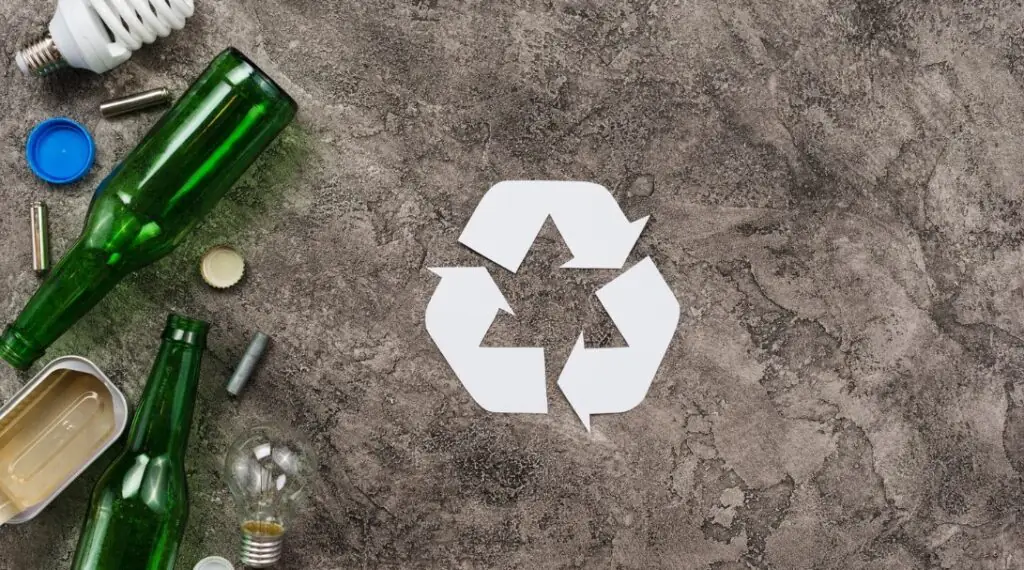
The packaging we use daily carries recycling symbols that we often overlook. Knowing their meaning helps us dispose of each material in the correct bin, reduce errors, and care for the environment. This guide will help you identify these symbols and use them to recycle easily.
The presence of recycling symbols on packaging often generates frequent questions: Does it mean the package is always recyclable? Which bin should it go into? Do all cities use the same symbols? These questions are common and highlight the need to understand the signals that appear on bottles, cartons, cans, and boxes we use daily.
Basic Recycling Symbols and Their Function
The most well-known recycling symbol is the one with three arrows forming a triangle. Its main function is to indicate that the package can be recycled, but it only suggests the possibility, not an absolute guarantee that the material will be recycled in all circumstances. Often, this triangle includes a number or letters inside, identifying the type of material, such as PET, HDPE, PP, or the corresponding code for paper, cardboard, and other materials.
Other common symbols on packaging are pictograms of colored containers, which directly indicate which fraction the waste belongs to: yellow for plastics and cans, blue for paper and cardboard, green for glass. These icons help consumers correctly separate waste at the source.
Importance of Recognizing Symbols for Proper Waste Management
Understanding the meaning of these symbols is key to avoiding mistakes in material separation. A package with a misinterpreted symbol can end up in the wrong container, complicating the recycling process and contaminating other fractions. Therefore, paying attention to symbols before disposing of a package allows us to act responsibly and efficiently, facilitating recycling in plants and helping to reduce the volume of waste destined for landfills.
In summary, recycling symbols on packaging do more than indicate the possibility of recycling; they are an essential tool for proper waste management. Correct interpretation helps close the loop and promotes sustainable habits in daily life.
Main Recycling Symbols on Packaging and Their Meaning
Recognizing recycling symbols is crucial for identifying the material of the packaging and knowing which container it should be placed in. These symbols provide quick information about composition, recyclability, and other important characteristics that foster efficient waste management.
Most Common Recycling Symbols
Mobius Triangle (♻️)
This is the international recycling symbol, consisting of three chasing arrows forming a triangle. It indicates that the product or material is recyclable. It sometimes incorporates a percentage inside to specify the amount of recycled material. If it has a number or internal initials, it indicates the resin code for plastics.
Resin Codes (Plastics)
Inside the recycling triangle, plastic packages show a number from 1 to 7 and sometimes an abbreviation:
- 1 (PET or PETE): Used in water or soft drink bottles.
- 2 (HDPE): Milk containers, detergent bottles, or bags.
- 3 (PVC): Detergent bottles and some food packaging.
- 4 (LDPE): Flexible plastic bags and films.
- 5 (PP): Lids, straws, and yogurt containers.
- 6 (PS): Disposable cups or meat trays.
- 7 (Other): Plastics not included in the previous categories.
Container Pictograms
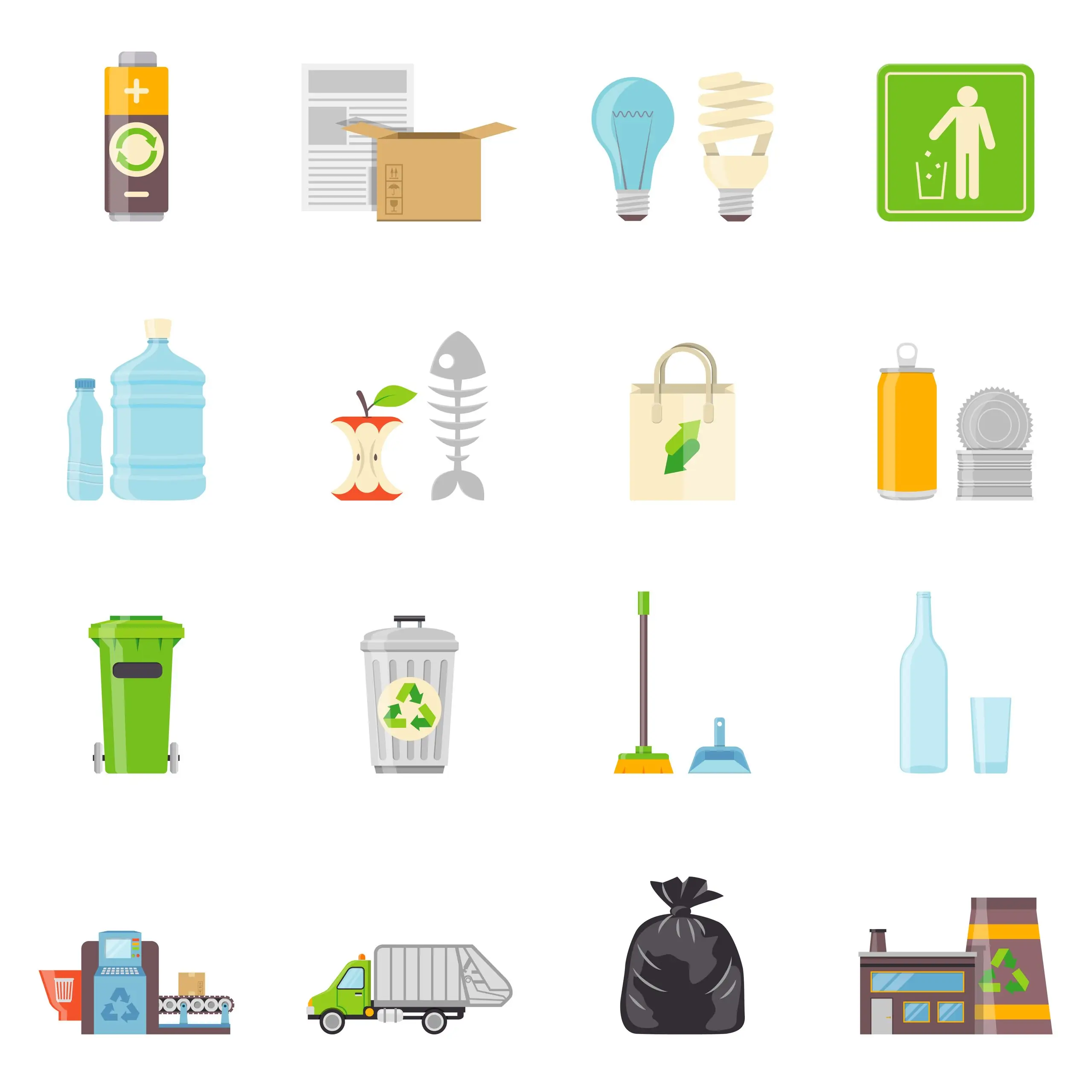
These are icons representing the appropriate container for each package:
- Yellow container: Plastics and cans.
- Blue container: Paper and cardboard.
- Green container: Glass.
Some packages directly show the pictogram or a strip of the official color.
Differences Between Symbols According to Material
Plastic
Identified with the Mobius triangle along with a resin number. Specifies the type of plastic and its recyclability.
Cardboard and Paper
Carry the simple recycling symbol, sometimes accompanied by folded paper pictograms or the blue container icon. Aim to recycle waste in the corresponding fraction.
Glass
Usually marked with the icon of a glass container and a circular arrow, or the green pictogram.
Metal
Cans and metal packaging may display a magnet symbol, indicating their recyclability through magnetic separation, or simply the traditional triangle.
Other Relevant Symbols
BPA Free
Indicates the absence of bisphenol A, a potentially harmful chemical in plastics. It is not directly related to recycling but to the food safety of the package.
Compostable
The compostable symbol typically displays a leaf or spiral, indicating that the package can decompose alongside organic waste under industrial composting conditions. It is crucial not to mix these packages with conventional plastic waste.
Reusable
A symbol of two circular arrows or the text reusable identifies packages designed to be used multiple times before entering the recycling cycle.
Complementary Symbols
- Food Contact Safe: A crossed glass and fork indicate that the package is safe for food.
- Dispose at Collection Point: For products that should not go in domestic containers.
- Green Dot: Indicates that the manufacturer complies with packaging waste management, though it doesn’t guarantee the recyclability of the product.
Correctly interpreting these symbols contributes to precise selective sorting, facilitates material recycling, and supports the circular economy model. Thus, each package’s label becomes a key tool for packaging recycling and respect for the environment.
Regulation and Requirements for Packaging Marking
The regulations on packaging marking establish how materials should be identified and what mandatory information must appear to facilitate proper waste management.
Legislative Framework: Royal Decree 1055/2022
Royal Decree 1055/2022 regulates packaging and packaging waste management in Spain. It imposes the obligation to mark packages with symbols that allow users to identify the material and the appropriate container. This legislation sets homogeneous criteria for the entire territory, aiming to increase recycling rates, improve traceability, and reduce the environmental impact of waste.
The Royal Decree describes the type of marking that should be included, depending on the material. Plastic, cardboard, paper, metal, and glass must be correctly identified, and multilayer packages require a specific symbol reflecting their composition. Additionally, it distinguishes between domestic, commercial, and industrial packaging, regulating the marking that corresponds to each case.
Differences Between Mandatory and Voluntary Marking
Not all symbols on packaging are mandatory by law. The mandatory marking includes the codes identifying the packaging material, the pictograms for correct separation, and in some cases, symbols for reusable or compostable packaging, where applicable. The objective is to ensure that consumers can properly separate waste.
Voluntary marking includes additional information not required by law, such as the amount of recycled material, the carbon footprint, or certain sustainability symbols. These can provide added value for consumers but do not replace the mandatory labeling required by the Royal Decree.
Requirements for Companies and Citizens’ Responsibilities
Companies
Companies responsible for marketing packages must ensure all their packaging complies with legal marking. This includes placing the recycling symbols and material identification codes in accordance with the type of waste, typography, and visibility set by legislation. They must also ensure the information is clear and accessible to consumers, avoiding confusion that could affect waste management.
Citizens
Correct separation and disposal of packaging following the symbols and pictograms are a shared responsibility. Users must consult the pictograms and instructions on packaging to comply with current regulations and contribute to effective recycling. Citizen involvement is essential to maintain the material cycle and advance towards a circular economy.
Compliance with this regulation and clear labeling are essential for achieving waste reduction and recycling targets set at European and national levels. Properly applying marking on packaging helps prevent errors in separation and optimizes the entire recycling process.
How to Identify and Correctly Use Recycling Symbols
Knowing how to locate and understand recycling symbols on packaging is essential for proper waste management. These icons provide direct information about the packaging material and its destiny in the recycling process.
Where to Find the Symbols
Recycling symbols are usually placed in discrete but visible locations on the packaging:
- Bottom or back of bottles, jars, and boxes.
- Near the ingredient label or in the product description.
- On the seal or lid, especially on small packages.
- On bags, they often appear close to an edge or alongside usage instructions.
Correctly reading the symbol ensures you know what to do with the package after use.
Proper Material Separation
For correct waste separation, pay attention to the symbol:
- Identify the material (plastic, glass, metal, paper, cardboard) according to the pictogram or resin code.
- Deposit each waste in its corresponding container: yellow for plastics and cans, blue for paper and cardboard, green for glass.
- If the package is compostable, look for the organic container or home composter if allowed in your municipality.
Recommended Practices: Wash and Separate
- Completely empty any remaining liquids or food before disposing of the package.
- Lightly rinse packages that contained greasy or sticky substances, avoiding contamination of recycled materials.
- Separate lids, labels, and other components that might be made of a different material from the main one.
- Do not nest or place small packages inside others; this complicates recycling when they reach the facility.
Tips to Avoid Common Mistakes and Promote Sustainability
- Do not deposit objects with inseparable mixed materials in conventional recycling bins.
- Do not throw unrecognized packages or packages without symbols in selective recycling.
- Always check the pictograms: even small details, like a color band, may indicate the right container.
- Whenever possible, opt for reusable packaging or materials that are easily recyclable, limiting the use of complex or single-use plastics.
- Stay informed about local regulations, as there are differences in recycling certain materials depending on the municipality.
Applying these tips and sustainable practices ensures better resource use and reinforces the environmental benefits of recycling packaging symbols.