

The ecological footprint of packaging reflects the impact they cause on the environment from their production to disposal. Choosing sustainable packaging helps reduce waste, emissions, and resource consumption. Understanding how materials and design influence this impact allows for responsible decisions to care for the planet.
Understanding the Environmental Impact of the Packaging Life Cycle
Negative Effects of Conventional Packaging
Traditional packaging, primarily made from single-use plastic and cardboard, generates a high volume of waste that ends up in landfills or the natural environment. These materials require large amounts of energy and water for production, in addition to releasing polluting emissions such as greenhouse gases. The overuse of single-use packaging contributes to the accumulation of plastics in oceans and soils, causing harm to wildlife and disrupting ecosystems.
Lifecycle of Packaging: Key Stages
The lifecycle of packaging includes several stages, each with its own impact:
- Extraction and processing of raw materials.
- Production and transportation.
- Use and distribution.
- End of life: recycling, reuse, or disposal.
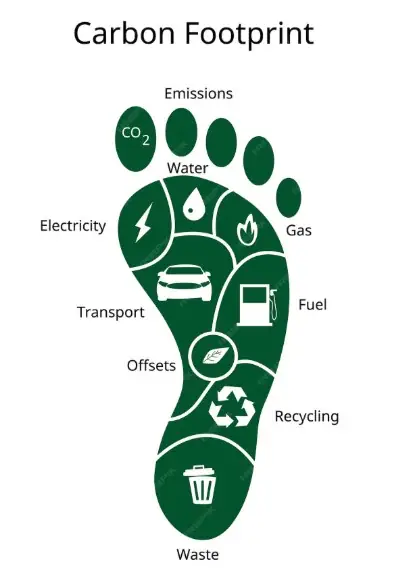
In each phase, resources are consumed and emissions are generated, with the end of life being a critical point. Packaging that is neither recycled nor composted increases the ecological footprint by accumulating as waste and squandering valuable materials.
Materials with Greater Environmental Impact
Not all packaging has the same effect on the ecological footprint. The materials with the greatest impact are:
- Conventional plastics: difficult to recycle and long degradation period.
- Non-recycled cardboard and paper: high water and energy consumption.
- Aluminum and glass: high energy cost in initial production but offer good recycling potential.
In contrast, packaging made from recycled, compostable, or biodegradable materials helps significantly reduce the ecological footprint. Opting for sustainable alternatives and prioritizing the use of renewable resources is key to minimizing the environmental impact of packaging.
What is the ecological footprint of packaging and why is it important to understand it?
The ecological footprint of packaging measures the environmental impact generated from its production to its disposal. Understanding it is key to making more responsible decisions and reducing resource consumption and waste generation.
What impact do traditional packaging materials have on the environment?
Conventional packaging, especially single-use items, generates large amounts of waste and polluting emissions. It also requires significant energy and water to produce and can take years to degrade, harming ecosystems and wildlife.
Which materials help reduce the ecological footprint of packaging?
Packaging made from recycled, biodegradable, or compostable materials are more sustainable options. It is also important to prioritize reusable designs and rely on renewable resources to minimize environmental impact.