

When you look around, you’ll notice that you’re surrounded by objects, buildings, vehicles, and more. But do you know what materials they are made of?
To create all these objects, we have had to learn how to use both artificial and natural resources available for our convenience.
This time, at Greenuso we want to talk to you about artificial resources—what they are and some examples. In other words, those materials that for one reason or another we have learned to produce and that are important to understand. Let’s get started!
Natural and Artificial Resources: Learn the Differences!
Resources or materials are all those elements that humans transform or use in production processes. They can be classified according to their origin into natural and artificial resources.
Artificial Resource or Artificial Material: What Is It?
Also known as inorganic materials, these are created by humans from raw materials found in nature.
To produce them, natural raw materials must be transformed through specific physical or chemical processes.
Natural Resource: What Is It?
Natural resources are those extracted directly from nature for use. In some cases, they must undergo purification processes, but even then they are still considered natural.
These materials can come from animal (e.g., silk), plant (e.g., wood), or mineral (e.g., iron) sources.
Examples of Artificial Materials
There are countless artificial resources used to create many of the objects around us. To give you an idea, here are some examples:
Plastic
Plastics are synthetic or semi-synthetic materials generally made from petroleum derivatives, although some are made from renewable resources.
They are characterized by their high plasticity, meaning they can deform without breaking. They are used to manufacture containers, appliance components, vehicle bodies, pipes, toys, synthetic textiles, and much more.

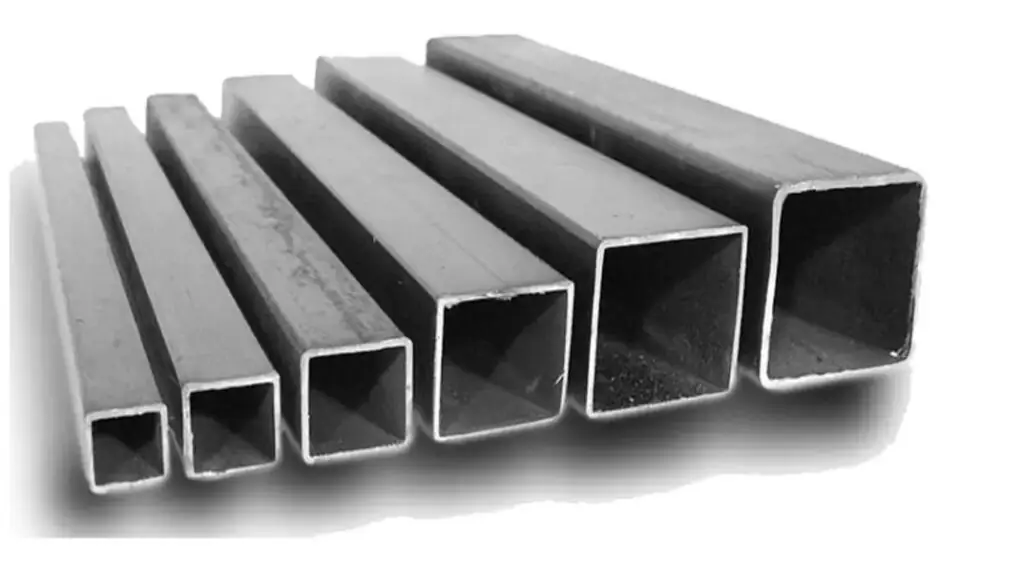
Stainless Steel
Stainless steel is a metal alloy made from common steel and at least 12% chromium, although it may also contain nickel. It is highly resistant to oxidation or atmospheric corrosion, mainly due to its chromium content.
It has countless applications and is commonly used in the production of appliances, kitchen utensils, cars, buildings, and more.
Cardboard
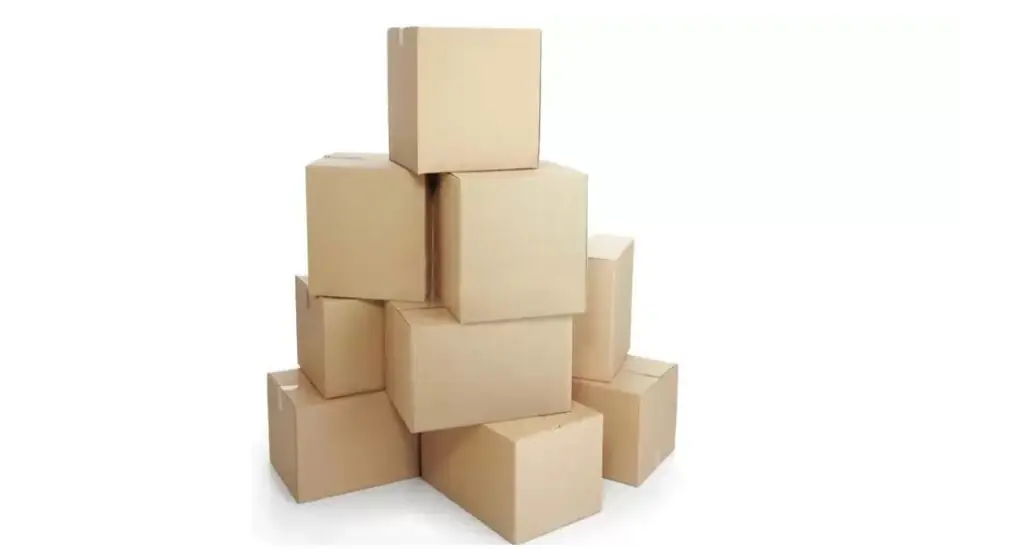
Cardboard is an artificial resource made of layered sheets of virgin or recycled fiber paper. It is harder and more resistant than paper, capable of withstanding considerable weight without deforming or breaking.
It is mainly used to produce boxes for packaging and protecting products or objects of all kinds.
Glass
Glass is an inorganic material that is transparent (though it can be colored), fragile, hard, and amorphous at room temperature.

Although it can occur naturally, it is also manufactured by humans using silica sand, sodium carbonate, and limestone. Its properties make it ideal for creating windows, stained glass, containers, lenses, and countless other products.
Bronze
Bronze is a metallic alloy composed mostly of copper with 3–20% tin. It was the first significant alloy created by humans and gave its name to the Bronze Age.
Throughout history, it has been used to make weapons, tools, sculptures, jewelry, musical instruments, mechanical parts, and much more.
Concrete
Concrete, also known as cement or concrete mix, is an artificial resource made of cement, sand, gravel, water, and specific additives.
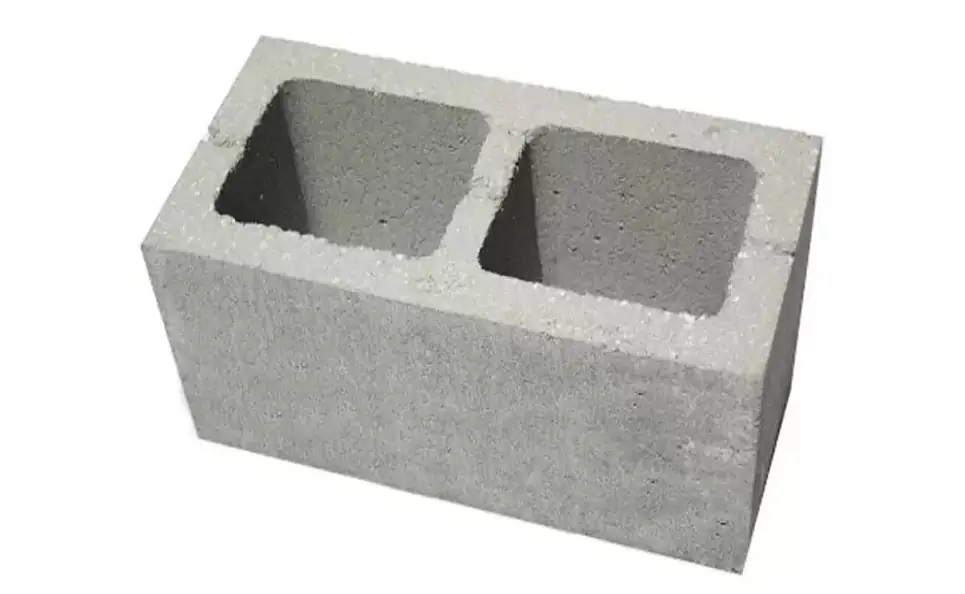
It is a malleable and cohesive mixture that hardens as it sets, becoming highly resistant. It is mainly used in construction for foundations, pillars, floors, and more.
Brass
Brass is a metal alloy made of copper and zinc. It is malleable, so it can be transformed into sheets, rods, and more even at low temperatures. Its malleability varies depending on its composition (especially if other metals are included) and temperature.
It is used to produce jewelry, containers, decorative elements, kettles, weapons, and more.
Paper
Paper is a material consisting of a thin sheet—usually bleached—made from a pulp of plant fibers.

This pulp is suspended in water and then left to dry to obtain the final material. Paper is used for writing, drawing, wrapping objects, and more.
White Gold
White gold is an alloy of gold with a metal that gives it a whitish color, such as nickel, silver, manganese, or palladium. It is often coated with rhodium because some mixtures do not have a very bright finish.
It is used in jewelry as a cheaper alternative to metals like platinum while still being visually appealing. It may also be used to manufacture components for electronic devices.
Brick
A brick is a rectangular ceramic block used in construction. It is made from clay that is fired at high temperatures to achieve the hardness and strength that characterize it. Bricks are used to build walls, pillars, and other structures.
At this point, you now know what artificial resources are and some common examples. At Greenuso, we encourage you to use materials that are environmentally friendly.
What are natural resources?
When we talk about artificial resources, we refer to those made by humans from materials found in nature.
What are the main examples of artificial resources?
Some key examples include bricks, white gold, paper, brass, concrete, and more.
Why are bronze and stainless steel considered artificial resources?
They are considered artificial because they are alloys made by combining pure natural elements.