
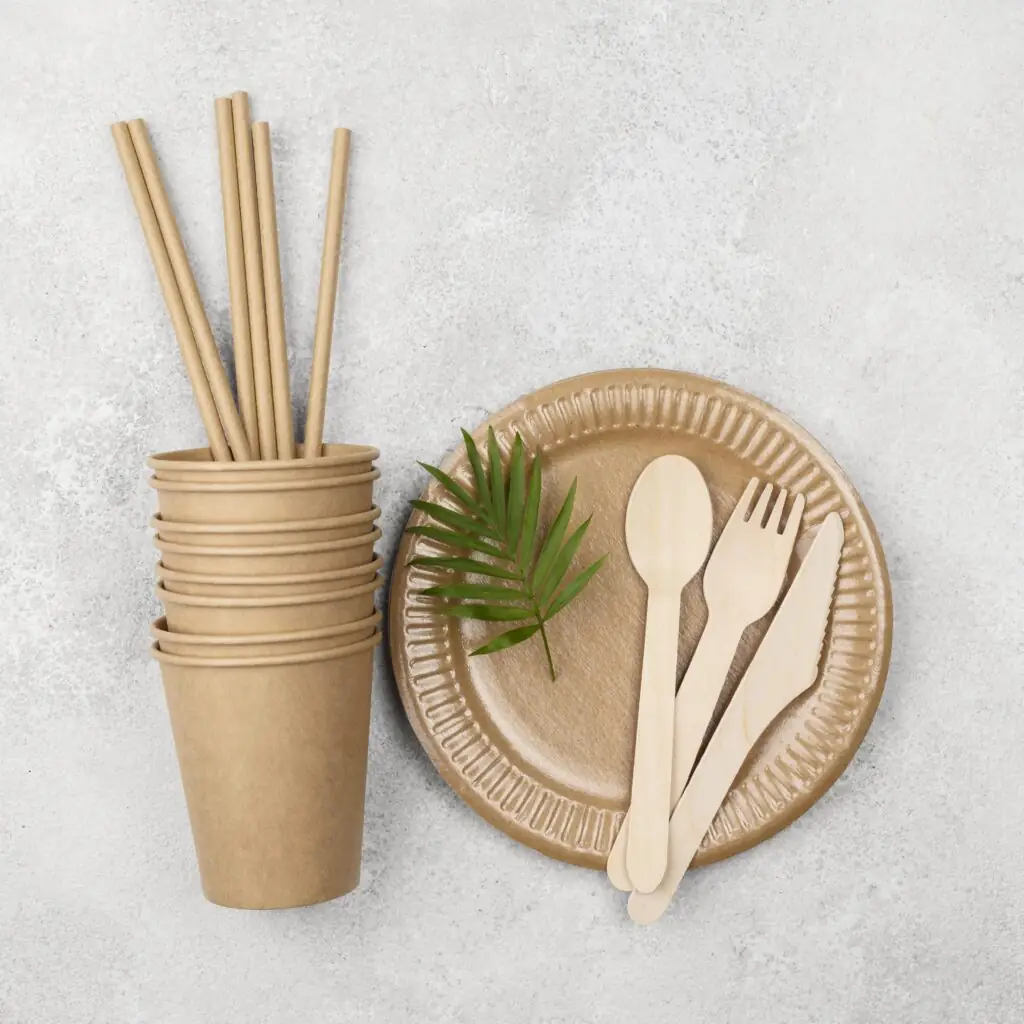
Looking for alternatives to plastic straws is not a whim or a fad. It is no secret that plastic is one of the most polluting materials in the world. Plastic straws, in particular, remain in the environment for many decades.
Finding ecological alternatives to replace this item is an environmental necessity. If you are one of the millions of straw consumers in the world, don’t stop using them; but what if you try substituting the plastic ones for the ones made of the materials you will see in this post?
Why will plastic straws disappear?
Nowadays there are many alternatives to plastic straws, so it is logical to think about their imminent disappearance. The reason: this popular item is harmful to the environment.
The environmental impact of plastic straws
Plastic straws are made of a non-biodegradable material that breaks down into small particles called microplastics. This process, which takes 200 years, is accompanied by the emission of chemicals that are harmful to health.
Ocean and soil pollution
Plastic accumulation reduces soil quality due to lack of sunlight. In the oceans, the volume of plastic prevents plankton and algae from receiving enough light to produce nutrients for other species.
The world’s largest “plastic island”, known as the seventh continent, covers 1.6 million km2. It is located in the Pacific, and kills 1.8 million animals every year. By 2024 it was already three times the size of France.
Impact on marine and terrestrial fauna
The straws become embedded in the animals causing internal damage to their vital organs. Some die from suffocation and others from starvation. As for vital ecosystems, such as mangroves and coral reefs, these wastes decrease their productivity, harming all marine fauna. And, beyond that:
- The consumption of microplastics causes genetic alterations in species.
- Microplastics have been found in air and clouds that are inhaled by birds and mammals (including humans).
- Respiratory and brain development problems have been detected due to the absorption of microplastics.
The magnitude of plastic pollution is such that, by 2050, it is estimated that there will be more plastic in the sea than fish.
Global regulations and prohibitions
Currently, there are many laws that regulate or prohibit the use of plastic straws in the world. These initiatives are multiplying and the trend is to eliminate the use of these straws.
In 2021, the European Union banned their sale, as well as that of other single-use plastic items, among its members. Great Britain had already done so since 2020. In Spain, its free distribution is prohibited; Chile, on the other hand, banned its consumption in public areas near the sea.
In the United States, the ban has been established in states such as California, New York and Washington. In other regions of this country, such as Berkeley and Malibu, municipal regulations have been enacted.
In the Republic of Mauritius, the use of these straws has been banned since 2021, while Caribbean countries such as Panama and the Dominican Republic have provisions regulating their use.
The best sustainable alternatives
The need to curb the pollution process has accelerated research to find alternatives to plastic straws. Today, the most recommended options can be found here:
Biodegradable straws
They are manufactured with environmentally friendly sustainable processes and materials. They are those that, once discarded, disintegrate under the action of soil microorganisms, integrating into the soil.
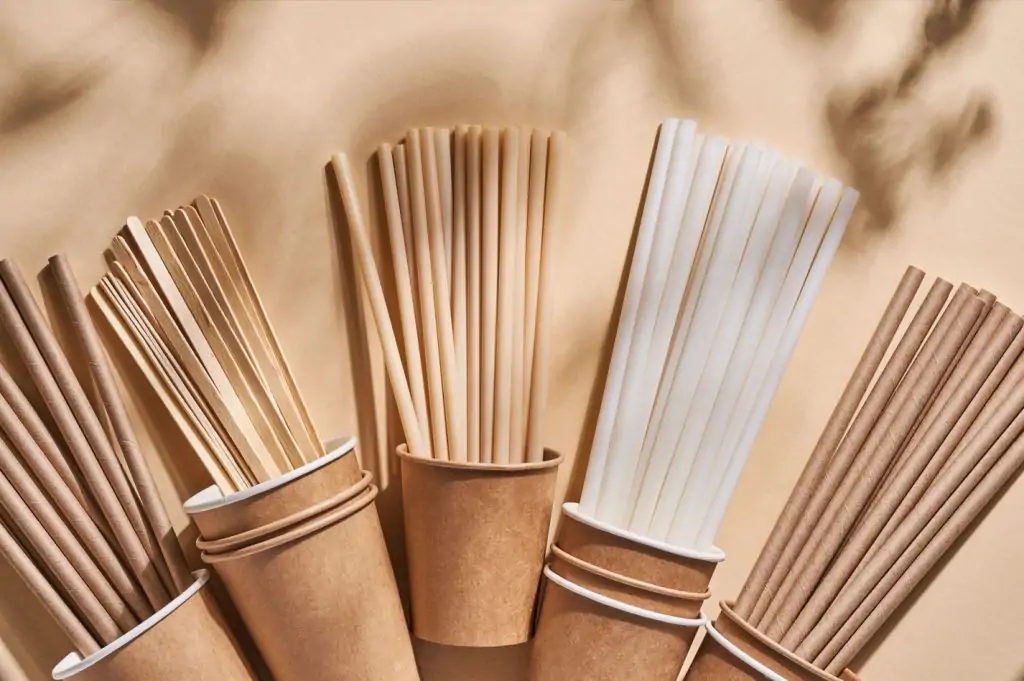
Paper straws
They are made of strong paper obtained from cellulose fibers extracted from wood. Three to four layers of paper bonded with non-toxic adhesive should provide structural integrity and durability. In practice, however, these straws often fall apart before the drink is finished.
Bamboo straws
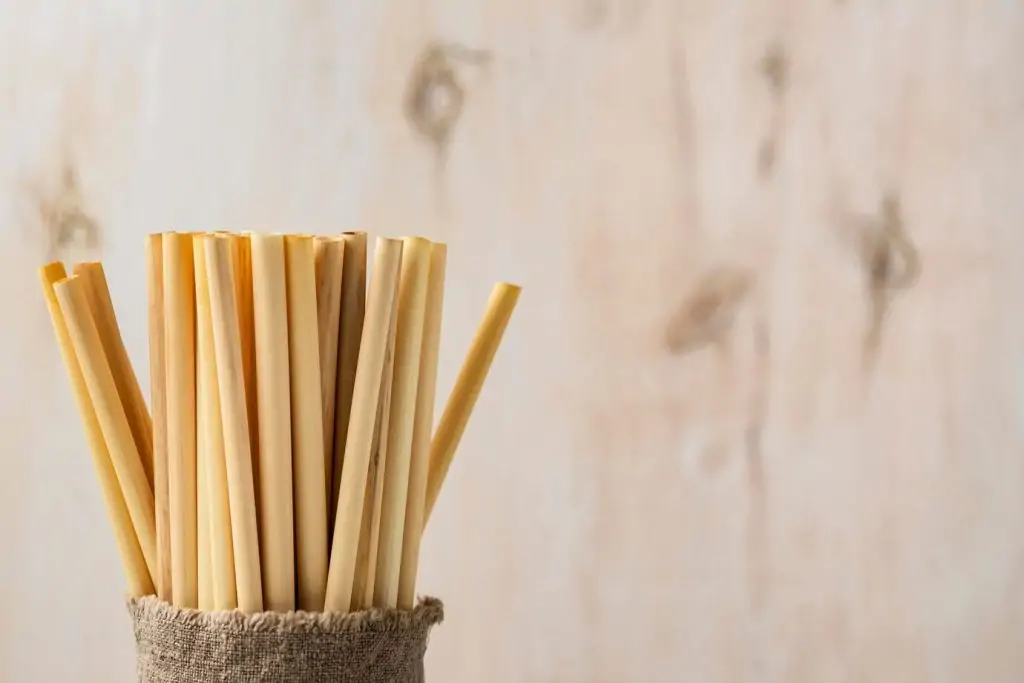
This organic straw is 100% natural and is handmade without chemical additives. It is extracted directly from the bamboo trunk. Each bamboo straw can be reused about 100 times with proper care and cleaning.
Pasta straws
It is an edible straw made from a mixture of durum wheat semolina and water. You can cook it after use or simply throw it away. It is a compostable material and its ecological impact is zero.
Reusable straws
These straws are made of long-lasting materials such as steel or glass. They are solid, hygienic and excellent alternatives to plastic straws:
Steel straws
Made of stainless steel, they can withstand years of use. Their use helps reduce the amount of plastic waste; however, they can leave a slightly metallic taste in the mouth.
Glass straws
They are very aesthetic and hygienic, but great care must be taken when using or cleaning them. They are fragile items that can break easily when drinking something or cleaning them, and cause injuries.
Silicone straws
This material resembles plastic in its texture and flexibility. Also in the fact that it is not biodegradable, is not easily recycled and may contain chemical agents. The only apparent advantage is that these straws can be used for a long time.

Eco-friendly materials and innovations
Eco-friendly materials are booming at a time when the deterioration of the planet’s ecosystems affects all its inhabitants equally.
Edible straws
Edible straws are an innovation that is very popular in Spain and other parts of the world. They usually have a pleasant aroma, different flavors and long durability (variable depending on the temperature of the drink). They are fun for children and adults, as they can be eaten after drinking.
They are made with 100% ecological products, which, when discarded, are easily integrated into the soil and disappear completely in a few months. They are made of rice flour and tapioca starch, coconut and sugar cane, among other food materials. All of them are single-use, but leave no residues.
Seaweed straws
These are also edible, although their purpose is not to serve as food. The idea is that these hydro-stable and biodegradable straws return to the ocean to become biomass that originally belongs to that habitat.
Another interesting aspect of these straws is that they are pH sensitive, which means that they can detect the acidity of a drink and even determine whether the milk is fresh or not.
Benefits of using alternatives to plastic straws
The use of straws made from environmentally friendly materials has a number of benefits that can make a big environmental difference in the medium and long term.
Pollution reduction and ecological footprint
By adopting this environmentally friendly practice, the footprint left by the use of plastic straws will be significantly reduced:
- It will reduce the proliferation of microplastics in the oceans.
- The inhabitants of the planet will have more physical space free of waste.
- Air pollution will be reduced by reducing the burning of plastic waste.
- The effects of global warming will be mitigated by reducing the production of greenhouse gases.
- The introduction of undesirable changes and patterns in the food chains of terrestrial and marine fauna will be avoided.
In addition, it will contribute to the health of the soil by returning materials that, when decomposed, will become nutrients for plants.
Healthier and safer options
Among the healthiest alternatives to replace plastic straws is the bamboo straw. It is a safe option for children and adults, 100% natural and biodegradable; it can be used for any beverage without changing its flavor and can be used many times.
The steel straw is also a recommended choice. For one thing, it won’t rust or corrode. And although you can’t see inside, it is easy to clean with a straw brush or in the dishwasher. Its service life is very long.
It is difficult to calculate, at present, how many tons of plastic garbage lie on the soil and seabed. What is certain is that there are many and they are increasing every day. That is why it is so important to raise global awareness of this issue.
It’s not just about changing the straw but about understanding the scope, magnitude and purpose of that action. Moreover, deciding on alternatives to plastic straws will have a definite impact on the environment only if it is done collectively and consciously.
Sustainability must become a way of life; and, although we may not see the result now, every act that involves discarding the use of plastic is a step forward in the fight against pollution. One less plastic straw on the ground today will be one less plastic waste in the sea tomorrow.