
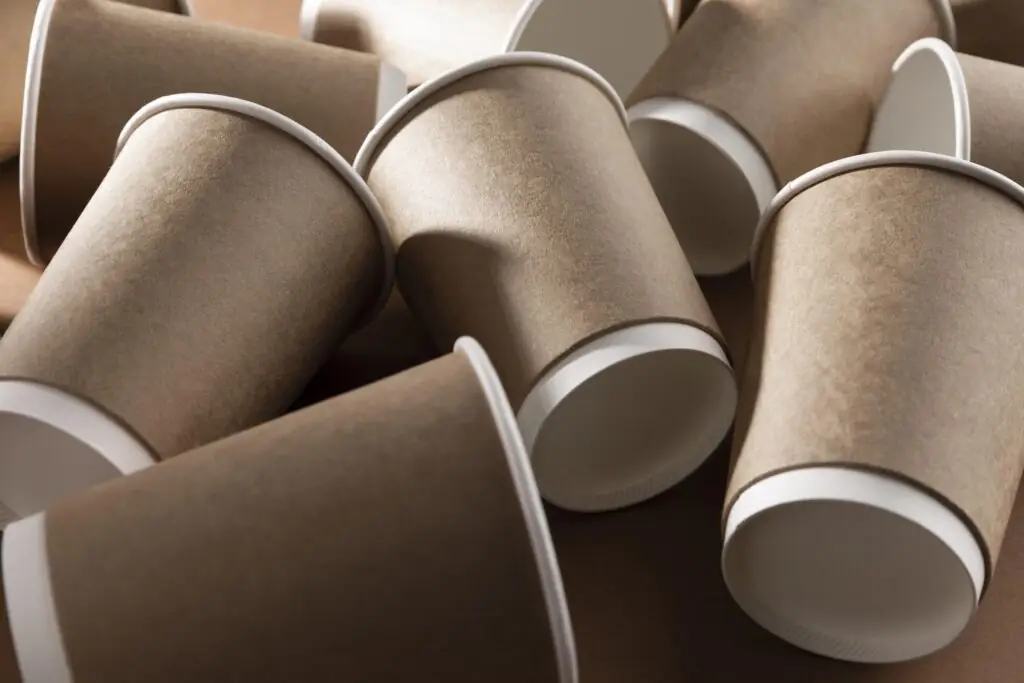
Molded fiber is a material that has gained significance due to its ability to meet the demands of sustainability and efficiency in the packaging industry. Its composition and manufacturing process position it as an eco-friendly alternative to traditional options, allowing for reduced environmental impact without losing functionality. This article explores the characteristics, advantages, and applications of molded fiber in sectors where innovation and environmental respect are increasingly important.
Characteristics of Molded Fiber
Molded fiber is a material primarily obtained from recycled cellulosic fibers such as paper, cardboard, or virgin pulp from wood and other plant fibers. This composition makes molded fiber biodegradable and compostable, making it an environmentally friendly option. It also contains no plastic additives or toxic substances, facilitating its integration into recycling or composting processes at the end of its useful life.
Manufacturing Process and Applied Technologies
The manufacturing process of molded fiber involves several stages:
- Pulp Preparation: The fibers are mixed with water and, if necessary, filtered to remove impurities.
- Molding and Formation: The pulp is poured into specific molds according to the desired shape. This stage can be done using wet or dry molding technologies.
- Drying: Once the necessary shape is acquired, the pieces are dried to achieve strength and dimensional stability.
- Finishing: The material can receive pressing treatments, surface coatings, or embossing that add functional value, such as additional resistance to moisture or fats.
Technological advancements have allowed improvements in production times, finishing precision, and application versatility. Digital control systems and new mold designs provide efficiency and reduce energy consumption during the process.
Comparison with Other Packaging Materials
- Plastic: Unlike plastic, molded fiber is biodegradable and compostable, reducing the accumulation of persistent waste in the environment.
- Traditional Cardboard: Although both are derived from cellulosic fibers, molded fiber offers greater versatility in shapes and better impact protection, requiring fewer assembly processes.
- Synthetic Foams: Molded fiber surpasses petroleum-derived foams in terms of sustainability, waste elimination, and ease of recycling.
In conclusion, molded fiber stands out for its sustainability, efficient process, and adaptability compared to conventional packaging, meeting the demands of a circular and sustainable economy.
Advantages of Using Molded Fiber
Positive Impact on Sustainability and Environment
Molded fiber is valued for its low environmental impact. It is manufactured from recycled or renewable origin fibers, helping reduce the use of fossil resources and the accumulation of persistent waste. This material is biodegradable and compostable, facilitating natural decomposition without leaving toxic traces. Choosing molded fiber for packaging directly contributes to the reduction of single-use plastics and allows the industry to adapt to increasingly stringent environmental regulations. Moreover, by using paper and cardboard waste as raw material, it promotes the circular economy and limits the logging of new forest resources.
Durability and Resistance in Daily Use
Despite its ecological nature, molded fiber stands out for its resistance and functionality in daily use. Modern molding and pressing technologies endow the material with adequate robustness even for demanding uses, such as hot food packaging, fragile products, or industrial packaging. Its structural properties withstand moisture, grease, and shocks without deforming or losing integrity. This combination of resistance and lightness makes molded fiber reliable for both domestic and professional use.
Cost Reduction in Production and Recycling
Opting for molded fiber can offer economic advantages over other materials. The production process is efficient and requires less energy by using recycled raw materials and molding technologies that simplify manufacturing. Additionally, being an easily recyclable and compostable product, it reduces costs associated with waste management and potential regulatory surcharges for plastic use. This efficiency generates direct savings in the value chain, benefiting manufacturers, consumers, and environmental managers alike.
In summary, choosing molded fiber enhances sustainability, ensures daily functionality, and optimizes costs throughout the product life cycle.
Benefits of Molded Fiber in Practical Applications
Best Option for Food and Beverage Packaging
Molded fiber has established itself as a viable and safe alternative for food and beverage packaging. Thanks to its food-grade nature and absence of toxic substances, it meets safety standards for direct contact with fresh or prepared products. Its properties maintain food integrity, withstand grease, moisture, and variable temperatures. Furthermore, it is thermoformable, facilitating the development of microwave and oven-friendly containers, promoting its use in hospitality and home settings.
Molded fiber packaging offers several practical benefits:
- Compostability and biodegradability, facilitating waste management after use.
- Adaptability to different sizes and shapes of containers, from plates to trays and cups.
- Aesthetic presentation without sacrificing resistance or hygiene.
Key Roles in Industrial Packaging
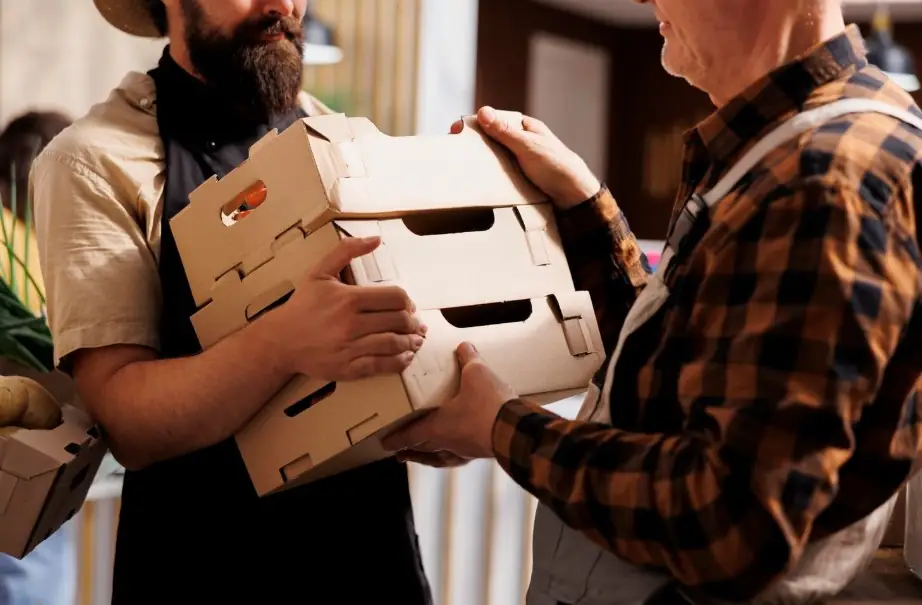
In the industrial sector, molded fiber excels as a protective support for transporting and storing fragile products. It is commonly used to separate, fix, and cushion merchandise such as electronic components, automotive parts, or medical products. The material absorbs impacts and vibrations, reducing damage during logistics.
Key advantages include:
- Reduction of secondary materials, as a single design can replace foam, plastic, or cardboard parts.
- Manufacture tailored to package objects of complex shapes.
- Facilitates recycling, as it usually avoids unnecessary inks or adhesives.
Opportunities in Innovations and New Markets
The versatility of molded fiber opens doors to emerging sectors and innovative developments. Advanced technologies allow creating packages with customized designs, brand integration, and intelligent solutions for new consumer needs. Manufacturers are exploring uses in cosmetic packaging, pharmaceutical solutions, agricultural packaging, and even sustainable alternatives to conventional technical parts.
The rise of the circular economy and plastic restrictions are accelerating demand in global markets, driving research and improving access to more efficient, aesthetically pleasing molded fiber solutions tailored to today’s demanding consumers. Its continuous evolution positions molded fiber as a key player in sustainable packaging present and future.
Future Perspectives on the Use of Molded Fiber
Recap of Advantages and Applications
Molded fiber has proven to be a key material in transforming packaging towards sustainability. Its ability to replace single-use plastics, its renewable origin, and its compostability clearly differentiate it from traditional options. Additionally, its design flexibility and resistance have allowed integration into sectors as diverse as food, logistics, and industry.
Highlighted Advantages:
- Biodegradable and compostable
- Suitable for food contact and industrial use
- Cost and waste reduction
- Adaptable to present and future regulations
Most Common Applications:
- Food packaging
- Biodegradable Cups
- Disposable ecological tableware
- Protection in industrial packaging
- Solutions for new markets and customized products
Development Toward Increasingly Sustainable Packaging
The path towards more sustainable packaging involves growing use of materials like molded fiber. Regulations restricting plastic and the demand for eco-friendly solutions drive manufacturers and consumers to prioritize environmentally friendly packaging. This material allows for closing the waste cycle, facilitating composting and recycling, and provides trust in sectors where traceability and environmental compliance are priorities.
Current research focuses on improving its technical properties —water resistance, barrier options, customization— to further expand its field of application and replace products that are difficult to recycle or have lower environmental efficiency.
Innovation Trends in the Eco-Friendly Packaging Industry
Technological development and innovation are the main drivers in the evolution of molded fiber:
- New Molding Processes: Greater precision and energy efficiency, improving production capacity.
- Functional Coatings: Plastic-free alternatives that grant resistance to water and fats while maintaining compostability.
- Custom Printing and Design: Increased added value and differentiation for brands and businesses.
- Integration of Circular Economy Concepts: Focus on waste utilization, eco-design, and reducing environmental impact at all stages of the product’s useful life.
The popularization of molded fiber in the global market and its adaptation to new trends reinforce its role as a reference solution for sustainable packaging, anticipating industry challenges and meeting the needs of a more conscious and demanding consumer.