
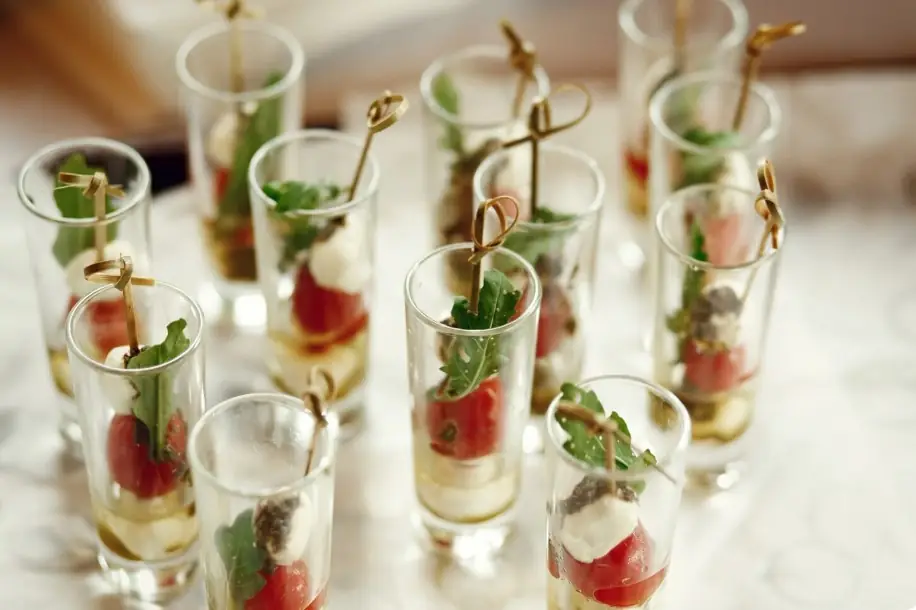
More and more couples are seeking to celebrate their wedding while caring for the environment. Eco-friendly catering focuses on locally sourced ingredients, sustainable menus, and options tailored to various needs. Learn how to offer a responsible experience without sacrificing flavor or quality on your big day.
Eco-friendly wedding catering is a proposal that emphasizes sustainability at every stage of the service: from selecting ingredients to waste management. This approach aims to minimize environmental impact, promote responsible consumption, and encourage healthy and environmentally friendly alternatives.
What Sets Eco-Friendly Catering Apart?
- Use of Local and Seasonal Ingredients: Prioritizes fresh products, grown near the event location and in their prime. This reduces transportation and associated carbon footprint, while ensuring taste and freshness.
- Organic Raw Materials: The foods used come from farms and plantations that follow environmentally friendly practices, avoiding pesticides and synthetic chemicals.
- Sustainable Packaging and Tableware: The use of compostable, biodegradable, or reusable materials, such as Greenuso’s eco-friendly tableware, is essential to reduce plastics and other waste.
Differences from Traditional Catering
- Focus on Sustainability: Unlike the conventional model, eco-friendly catering avoids industrialized products and excessive meat consumption, opting for dishes that highlight vegetables, legumes, and whole grains.
- Ethical and Social Commitment: Establishes a closer relationship with small producers and local cooperatives, ensuring fair trade conditions and contributing to the local economy.
- Conscious Resource and Waste Management: Unlike traditional celebrations, the quantity of food is carefully planned here to limit excess, using recycling systems or composting leftovers.
Why Choose Sustainable Options for Your Wedding
Opting for eco-friendly wedding catering is more than just following trends. It means aligning your celebration with responsible values and creating a positive impact. Eco-friendly menus care for the health of your guests, avoid ultra-processed foods, and reduce allergens. Moreover, they enhance originality and personalization of the experience by integrating proposals tailored to different diets and needs.
Celebrating a sustainable wedding conveys commitment to the planet, environmental sensitivity, and social awareness, leaving a memory that goes beyond the event itself.
Benefits of Sustainable Catering
Eco-friendly wedding catering offers clear advantages for the couple, their guests, and the environment.
- Reduction of Environmental Impact
Choosing sustainable catering means reducing the event’s ecological footprint. This is achieved by using local products that minimize transportation and associated emissions. The use of organic and seasonal ingredients decreases resource consumption and chemical use in agriculture. Furthermore, efficient waste management, recycling, and the choice of compostable tableware—such as that proposed by Greenuso—contribute to a celebration with less waste and lower plastic production.
- Supporting Local Producers and Economic Boost
By working with local suppliers and selecting foods from short supply chains, eco-friendly catering supports the local economy and contributes to sustainable job creation. This direct connection with farmers and small businesses promotes a more ethical supply chain, strengthens the community, and encourages the development of organic agriculture and fair trade in the region.
- Health and Well-being Benefits for Guests
Fresh and organic foods contain fewer additives and preservatives, which promotes a more balanced and higher quality diet. Menus typically include a greater variety of fruits, vegetables, legumes, and whole grains, ingredients associated with better nutrition and digestion during the event. Respecting allergies and specific needs reduces risks and improves everyone’s experience.
- Personalization for a Conscious Experience
Sustainable catering offers wide options to tailor the proposal to the guests’ profile, considering tastes, habits, and values. It allows for vegetarian, vegan, or allergen-free menus, adding unique details like ecological showcooking stations or incorporating thematic elements consistent with the event’s sustainability. This customization enhances the wedding’s identity and reinforces the environmental respect and commitment the couple wishes to convey.
Overall, eco-friendly wedding catering transforms the celebration into a more responsible, authentic experience aligned with new social and environmental demands.
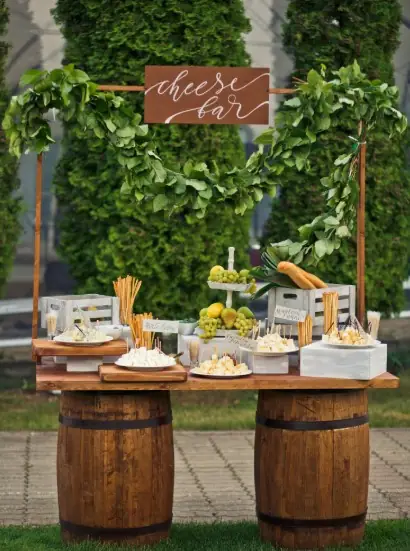
Proposals for Eco-Friendly Wedding Menus
Creating a eco-friendly wedding catering menu requires creativity, seasonal coherence, and sensitivity to the various needs of the guests.
Sustainable Starters, Main Courses, and Desserts
Environmentally Friendly Starters
- Salad of organic tomatoes with sprouts, edible flowers, and local extra virgin olive oil.
- Organic chickpea hummus with crudités of local vegetables.
- Seasonal gazpacho served in compostable cups.
Responsible Main Courses
- Brown rice with organic mushrooms, asparagus, and truffle oil, suitable for vegans and gluten intolerant individuals.
- Vegetable lasagna with seasonal squash and spinach, soy béchamel, and vegan cheese.
- Homemade falafel accompanied by fresh tabbouleh and cashew yogurt sauce.
Eco-Friendly Desserts
- Light chocolate mousse with avocado and orange, sweetened with agave syrup.
- Fresh seasonal fruit salad.
- Vegan walnut brownies made with whole wheat flour and no refined sugars.
The Value of Seasonality in Ingredient Selection
Choosing seasonal ingredients ensures that products are fresher, tastier, and more sustainable. In spring and summer, fruits and vegetables like strawberries, cherries, cucumbers, tomatoes, or zucchini stand out; in autumn and winter, squash, eggplants, mushrooms, and citrus offer color and flavor. Using products from each season not only maintains ecological consistency but also enhances the menu’s quality.
Alternatives for Dietary Restrictions
Eco-friendly wedding catering adapts to all sorts of dietary preferences and special needs:
- Vegetarian and vegan proposals based on legumes, roasted vegetables, and plant-based creams and spreads.
- Gluten-free dishes with alternative grains like quinoa, brown rice, or millet.
- Dessert options without lactose or added sugars, using nuts and natural fruit.
- Inclusion of menus without common allergens, designed for celiacs, diabetics, and people with intolerances.
Specific Example of an Adapted Eco-Friendly Menu
- Starter: Beet tartare with green apple and avocado, seeds, and a citrus vinaigrette.
- Main Course: Mild curry of squash, organic chickpeas, and spinach over brown rice, suitable for vegans and gluten-free.
- Dessert: Homemade lemon sorbet with mint and oatmeal cookie, lactose-free and egg-free.
In all cases, presentation on compostable tableware and waste reduction contribute to reinforcing the philosophy of eco-friendly wedding catering and offer a memorable, varied, and environmentally responsible experience.
Strategic Tips for Choosing Catering
- Define Your Priorities: Select the type of menu (vegan, vegetarian, gluten-free) and evaluate if traditional options need to be included.
- Ensure Product Origins: Request information about food suppliers and the origin of fresh ingredients.
- Review Sustainable Commitments: Inquire about waste management, material reuse, and the use of eco-friendly packaging.
- Request Tastings and Customized Menus: This is the best way to assess the quality, creativity, and adaptability of the service.
- Ensure Logistics: Check how dish transportation is conducted, whether they use electric vehicles, or minimize the impact of the trip to the event.
Essential Questions Before Closing a Deal
- Do they include menus adapted for allergies, intolerances, and dietary restrictions?
- Do they work with only seasonal and local ingredients?
- Do they offer solutions for managing waste after the banquet?
- What alternatives do they provide for tableware, cutlery, and napkins?
- Do they have experience in similar events and references from other sustainable weddings?
Suggestions for a Sustainable and Responsible Wedding
Moving towards eco-friendly wedding catering is an important step, but there are other key actions to make the event more environmentally friendly.
Strategies to Minimize Waste
- Adjust the amount of food according to the number of guests to avoid waste.
- Opt for a sustainable buffet format or themed stations that allow for greater control over portions.
- Plan for separate and selective waste collection from the start, providing differentiated containers and clear signage.
- Donate food surplus to local associations or promote distribution among attendees.
Eco-Friendly and Reusable Decoration
- Choose decorative elements made from natural materials (wood, fabric, plant fibers) that can be reused or recycled.
- Opt for seasonal flowers, potted plants, and dried arrangements that can later be gifted or left in the environment.
- Replace balloons, plastic confetti, and single-use decorations with biodegradable alternatives or artisanal details.
Compostable Tableware, Napkins, and Packaging
Opt for compostable tableware, natural fiber napkins, and biodegradable packaging. Products like Greenuso’s eco-friendly tableware ensure that each guest’s impact is minimal, and that all dinnerware can be composted after the event. If you desire a more elegant touch, combine reusable pieces with eco-friendly alternatives for drinks or desserts.
Involve Guests in Sustainability
- Inform guests from the invitations about the wedding’s ecological commitment and encourage them to act accordingly (e.g., avoid private car use or bring reusable bottles).
- Propose small actions during the celebration: recycling points, book or seed exchange corner, charitable raffles, or sustainable gifts like plants or local products.
- Reward good practices and make environmental care part of the experience and the day’s memory.
By integrating these suggestions, an eco-friendly wedding catering becomes a responsible and coherent event in each of its details, reflecting a genuine commitment to the future and global well-being.
What Are the Prices for Eco-Friendly Catering Per Guest?
The price per person varies based on menu type, the number of dishes, selected ingredients, and additional services (showcooking, themed stations, personalized pastries). On average, it falls within a range similar to conventional catering, although high-quality organic products may sometimes slightly raise the cost. It’s important to request detailed quotes and compare options based on their sustainability commitments and transparency in supplier selection.
Are There Eco-Friendly Alternatives for the Open Bar and Desserts?
The open bar can align with the eco-friendly philosophy by choosing organic wines, beers, and spirits or local producers. Cocktails can be served with fresh seasonal fruit, and single-use packaging can be reduced with compostable or reusable cups. For desserts, sustainable options include vegan cakes, fresh fruit, confectionery with whole ingredients, and plastic-free presentation.
Addressing these questions helps prepare for an authentic, responsible celebration tailored to each couple and guest’s expectations, facilitating a transition towards increasingly conscious and environmentally respectful events.
Is It Possible to Organize a Completely Eco-Friendly Wedding?
Yes, there are currently resources and providers that allow for planning a sustainable wedding in all aspects. From eco-friendly wedding catering to reusable decoration, digital invitations, shared transportation, and eco-friendly gifts for guests. Good organization, clear communication with providers, and a willingness to reduce environmental impact in every decision are all it takes.