
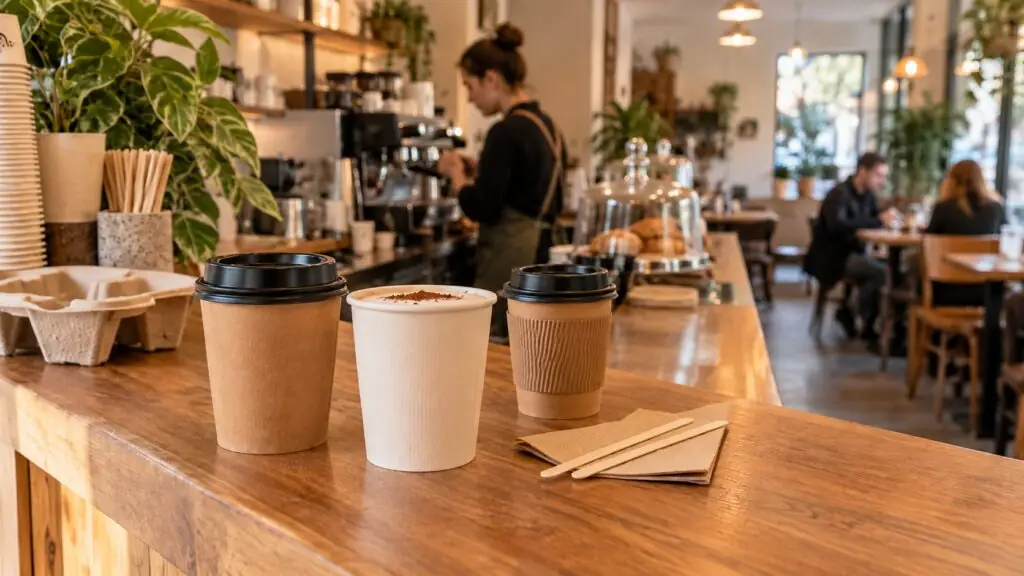
With the arrival of fall and winter, hot drinks for cafés take center stage on the menu. It’s a great time to review the offerings, anticipate demand, and prepare the service to meet the needs of the colder months.
Coffee, hot chocolate, tea, or seasonal offerings require good planning to maintain a swift and coherent service throughout the season. Organizing the menu, stock, necessary accessories, and daily operations in advance helps offer a more comfortable experience both in-store and for takeaway orders.
Hot Drinks for Cafés: Why Prepare for the Season
During this season, some consumption preferences change in cafés. As temperatures drop, interest in hot drinks and options associated with colder months grows. Understanding these changes allows you to adapt the offerings, better organize the service, and respond more appropriately to seasonal demand.
What Changes in Fall and Winter
- Hot drinks gain more prominence. Coffee, hot chocolate, tea, and infusions usually become more prevalent on the menu during the colder months.
- Preference for intense and spicy flavors. Ingredients like cinnamon, ginger, or vanilla become more prominent.
- Takeaway service remains an important aspect. Especially for cafés located in office, commercial, or transit areas, it’s worthwhile to have a convenient operation for takeaway orders.
How to Adapt the Offer to Seasonal Demand
- Incorporate a limited selection of drinks or flavors typical of colder months to refresh the menu without overly complicating operations.
- Review what formats and accessories you will need to properly serve the new offerings, especially if they will be available for takeaway.
- Evaluate drink and accompaniment combinations that fit the type of café and the seasonal offerings.
- Study peak times to offer freshly prepared products and enhance the experience.
Anticipate Stock and Prepare the Service
- Plan the supply of coffees, chocolates, teas, and toppings: avoid running out of key products.
- Also check the stock of necessary accessories to serve each beverage and ensure they are well-organized and accessible in the workspace.
- Organize with the team how to manage orders during peak activity times, especially if the business also works with takeaway or delivery.
- Define which references should always be available and set a stock margin for high-turnover products and consumables.
Which Hot Drinks to Include in Your Café
When defining a hot drinks menu for cafés, it is advisable to combine options familiar to customers with some seasonal offerings. There is no need to create an overly extensive menu: a clear selection facilitates choice and also simplifies the daily work of the team.
Classic and Special Coffees
Espresso, cortado, café con leche, americano, or cappuccino are part of the usual offerings of many cafés and can be maintained as a base throughout the year.
Some of the most common options include:
- Espresso
- Café con leche
- Cappuccino
- Americano
- Cortado
In fall and winter, you can complement the usual coffees with some special offerings, such as drinks with chocolate, cinnamon, vanilla, or other flavors associated with colder months.
This introduces variety without greatly expanding the menu:
- Viennese coffee with cream
- Bombón coffee with condensed milk
- Mocha with chocolate
- Spiced latte with cinnamon or vanilla
Hot Chocolate, Tea, and Infusions
Hot chocolate is another common offering during the colder months and can be incorporated in various versions depending on the style of the café.
Teas and infusions also allow expanding the menu with alternatives to coffee. Black tea, green tea, rooibos, or fruit and spice infusions are some common options. They are an alternative for those seeking caffeine-free or lighter options.
Furthermore, they allow offering options with and without caffeine for different consumption profiles.
Seasonal Options: Chai Latte, Pumpkin Spice Latte, and More
Fall and winter are also an opportunity to incorporate drinks with spicy flavors and seasonal offerings. Some common options are:
- Chai latte, characterized by the combination of tea and spices.
- Pumpkin spice latte, especially associated with the fall season.
- Flavored drinks with flavors like vanilla, hazelnut, or cinnamon.
- Mocha, which combines coffee and chocolate.
These options can be presented as temporary recommendations to gauge their acceptance before permanently incorporating them.
How to Adapt the Drinks Menu for Fall and Winter
- Highlight special or seasonal offerings clearly, both on the menu and in takeaway order channels.
- Consider offering alternatives like plant-based drinks or lactose-free milk when they fit the establishment’s offerings.
- Think about takeaway portions: thermal cups and sleeves to carry the beverage comfortably and without losing temperature.
- Add customization options: toppings, syrups, toppings, and combinations according to the customer’s preference.
How to Choose the Right Cups for Hot Drinks
Choosing the right cup affects comfort, insulation and the way each drink is served. Capacity, wall type, material and compatibility with other service items are some of the aspects worth considering. It is also important to check that the containers are suitable for food contact and appropriate for their intended use.
Choose the Capacity According to the Type of Drink
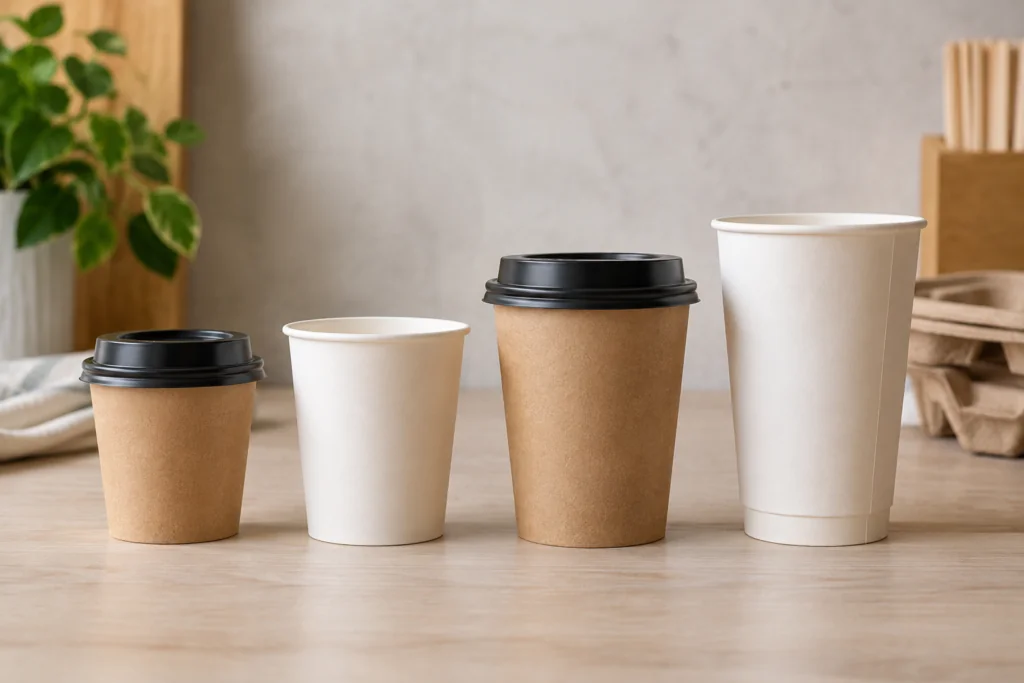
Not all drinks require the same format. An espresso requires different capacity than a café con leche, cappuccino, or special drink with foam. Although each café can adapt sizes to its own menu, these ranges can serve as guidance:
- Espresso: 60-90 ml cups
- Cortado or small tea: 120-160 ml
- Café con leche, americano, cappuccino: 200-350 ml
- XL or takeaway drinks: Up to 500 ml
Working with several capacities allows better adaptation of the cup to the type of drink and avoids using excessively large or small formats.
Single-Wall and Double-Wall Cups
The type of wall affects insulation and convenience during consumption:
- Single wall: is a common option for many hot drinks. Depending on the serving temperature and cup type, it can be complemented with a sleeve to enhance insulation and grip.
- Double wall: includes an additional layer that helps reduce heat transmission to the outside, providing greater insulation between the drink and the hand.
Double-wall cups can be especially practical in takeaway services or for drinks that are consumed over a longer period. The choice will depend on the type of drink, serving temperature, and the needs of each establishment.
Materials and Sustainable Options
Opting for responsible materials conveys commitment to the environment. The most common options:
- Recyclable cardboard: Lightweight and durable, easy to recycle.
- Cardboard with biodegradable coating: Provides durability and supports composting.
- Materials free of conventional plastics: More sustainable and compliant with current regulations.
Using sustainable and biodegradable cups, like those available at Greenuso, enhances the business image and responds to the demand for responsible consumption.
Comfort and Thermal Insulation
In takeaway service, the cup should be comfortable to hold and properly fit the type of drink. It is also advisable to consider insulation when serving at high temperatures or when it’s expected that consumption will take longer.
Additionally, it’s important to check that the chosen format is compatible with the corresponding lid and that the set is stable and convenient for transportation.
Lids, Sleeves, and Accessories That Enhance the Service
The accessories accompanying the cup also influence comfort and service organization. Lids, sleeves, stirrers, or napkins should be chosen according to the type of drink and the way it will be consumed.
Compatible Lids for a More Convenient Service
In takeaway orders, the compatibility between cup and lid is especially important. Before preparing for the season, check which lids correspond to each format and ensure the fit is appropriate. It is also advisable to consider features such as:
- An adequate fit that reduces the risk of spills during transportation.
- Openings for drinking designed for the customer to enjoy the beverage without removing the lid.
- The available space when serving drinks with foam or other finishes.
Sleeves to Improve Insulation and Grip
Sleeves can add an additional layer between the cup and hand and improve grip during transport. They are especially useful with certain single-wall cups or when the serving temperature is high.
Before incorporating them into the service, ensure the sleeve size is compatible with the cup format and fits correctly.
Stirrers, Napkins, and Other Complements
Stirrers, small spoons, and napkins complete the service, especially when the drink is to-go or contains ingredients that need mixing.
- Wooden or biodegradable material stirrers for single use, a sustainable and practical option.
- Small disposable spoons for drinks with toppings or for stirring specialty cocoas and lattes.
- Compliments like straws for certain drinks that might be ordered during winter.
- Recycled paper napkins: provide care, cleanliness, and sustainability.
- Tray sleeves for in-store service.
- Sugar containers and individual packets: convenience and speed in self-service.
In takeaway orders, only include the necessary additions for each drink and make sure they are prepared in an orderly manner.
Prepare Your Café for Hot Drink Takeaway
When hot drinks for cafés are prepared for takeaway, the choice of packaging and order organization becomes especially important. The goal is for the drink to be easy to carry and reach the customer in good condition.
Maintain Stability During Transport
When preparing hot drinks for takeaway, it is crucial to pay special attention to the stability of the set and insulation.
- Ensure the lid fits correctly to the cup before delivering the order.
- Use a sleeve when necessary to improve insulation or grip.
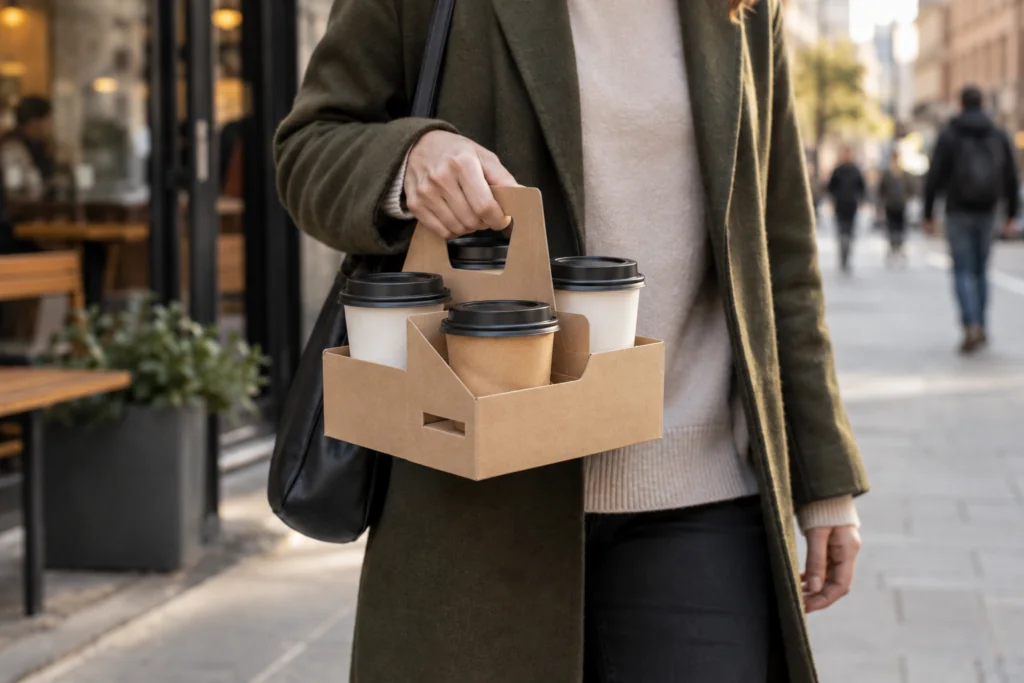
- Group several cups into a suitable cup holder when the order includes more than one drink.
- Only include the necessary additions for each order.
A well-sealed container that is easy to hold reduces spills and conveys confidence.
Cup Holders: Solutions for Orders with Multiple Drinks
When an order includes several drinks, cup holders help keep the containers grouped and stable during transport.
- Choose the format based on the usual number of drinks per order.
- Ensure the holding system correctly accommodates the diameter of the cups used.
- Models with handles can be especially practical when it is necessary to transport multiple drinks with one hand.
Choosing a cup holder compatible with the cups used facilitates transportation and helps keep the order more stable.
Organization of Takeaway and Delivery Orders
A well-organized workspace helps reduce errors and speed up the preparation of takeaway orders.
- Create a dedicated area for takeaway orders, well-identified and accessible, to avoid waiting and overcrowding.
- Label each order with the customer’s name and drink details to avoid confusion at the time of delivery.
- Use systems to organize large orders, grouping drinks in cup holders, and categorizing adds-ons (sugar, syrups, cookies) in individual packets.
- For delivery, reinforce packaging closure and review that all accessories are included before sending the order.
Planning and clarity in processes help meet delivery times and minimize errors.
Pay Attention to Presentation
Takeaway service is also part of the establishment’s image. An orderly and coherent presentation helps maintain a consistent line between in-store consumption and takeaway.
- Maintain a coherent presentation across different elements of the order where possible.
- Always prioritize functionality: the order should be properly closed, orderly, and easy to transport.
Plan Stock Before Cold Weather Arrives
Planning stock in advance allows you to better respond to changes in demand and reduce incidents during service. Reviewing high-turnover references before the season starts helps organize both orders and the workspace.
Identify High-Turnover Formats
Review consumption from previous seasons to check which capacities and formats have a higher turnover. This information will help you better adjust purchases and anticipate which references should be more accessible.
- Medium and large coffee cups (200-350 ml)
- Cups for chocolate and special drinks (250-300 ml)
- Small cups for espressos and cortados (60-120 ml)
If you incorporate seasonal drinks, also check if they can be served using existing formats or if they require a different capacity. Keeping track of turnover facilitates adjusting orders as the season progresses.
Coordinate Cup and Lid Stock
Having enough cups is not enough if compatible lids are missing. Planning both references together helps avoid stock imbalances during peak times.
- Ensure which lid fits each cup diameter.
- Maintain proportional quantities between compatible cups and lids.
- Especially review references associated with high-turnover formats.
Maintain a Safety Margin
Define a minimum stock level for high-turnover references. This way you can detect in advance when it’s time to place a new order.
- Regularly review the inventory of high-turnover references.
- Define a minimum level at which to place a new order.
- Maintain a small additional margin in essential consumables during peak demand periods.
- Adjust quantities as you observe consumption trends during the season.
Prepare the Service Area for Peak Hours
Breakfast, mid-morning, or afternoon snacks can concentrate a significant portion of a café’s activity. Having the service area prepared facilitates attention during these times.
- Replenish necessary consumables before peak activity periods.
- Organize the workspace so frequently used formats are accessible.
- Group items often used together to reduce unnecessary movement.
- Monitor during service which references start to run low to replenish them in time.
Well-dimensioned stock and an organized workspace help maintain a swifter service in both in-store and takeaway orders.
Pay Attention to Your Seasonal Drinks Presentation
The presentation is also part of the service during the fall and winter seasons. Maintaining a consistent line between the beverage, the elements used to serve it, and the menu helps offer a more polished image both in-store and for takeaway orders.
Coherence Between Cups, Accessories, and Packaging
Consistent presentation doesn’t mean all elements need to be identical, but they should work well together and maintain a visual line in line with the establishment.
- Ensure that cups, napkins, and other service elements maintain a coherent visual line.
- Avoid adding extras solely for aesthetic reasons if they don’t add utility to the order.
- In seasonal drinks, small presentation details can help distinguish them from the rest of the menu.
- Maintain the same level of care both for in-store consumption and takeaway orders.
Presentation In-Store and to Go
The experience differs depending on the context, but the goal is always for the drink to arrive appetizing and in good condition:
In-Store
In on-premise consumption, an orderly presentation helps convey a polished image. A clean tray, the right napkin, and necessary add-ons are usually enough to accompany the beverage without overloading the service.
To Go
In takeaway, functionality should be prioritized. Ensure the lid fits properly and use a cup holder when the order includes multiple drinks. Only include necessary additions and ensure the set is stable and easy to carry.
Preparing a good hot drinks offering for cafés involves more than just incorporating new options into the menu. It’s also important to anticipate service needs, review the formats the business uses most, and ensure each drink can be comfortably served both in-store and to-go.