
Language:
Bagasse packaging
The hospitality sector is experiencing a significant change. More and more businesses and restaurant chains are seeking alternatives to traditional packaging. They want solutions that help them care for the environment and make a difference to their customers. Plant fiber packaging is a clear response to this need. They are made from materials like sugarcane bagasse, which are not only biodegradable but also highly resistant and suitable for maintaining food in good condition. This category brings together options designed for those who value sustainability and efficiency in their business. These packages are designed to make day-to-day operations easier in restaurants and cafes. They allow for careful presentation of takeaway food, reduce logistics costs, and support a more responsible brand image. Choosing plant fiber packaging helps your business move towards more environmentally friendly management and differentiate itself in an increasingly demanding market. Here you can find the solution you need to meet the new demands of the sector and your own customers.
Plant Fiber Packaging
Plant fiber packaging is made from natural materials such as sugarcane bagasse, wheat, or bamboo. These packages have emerged as a response to the need to reduce reliance on conventional plastic in the food and hospitality sectors. Their origin is linked to the use of agricultural by-products, turning waste into useful and eco-friendly solutions for packaging and transporting food.
The importance of these packages in today's market is clear: they provide a biodegradable alternative that meets the demands of consumers and companies increasingly committed to sustainability. The use of plant fiber packaging allows hospitality businesses, restaurant chains, and small entrepreneurs to respond to the growing social and regulatory pressure to minimize their environmental footprint.
In recent years, the trend towards using biodegradable materials has shown consistent growth. Plant fiber packaging stands out among sustainable packaging solutions for its versatility, strength, and ease of adaptation to the typical operations of restaurants and cafes. This preference is driven by changes in legislation and customers' desire to opt for responsible and environmentally friendly options. The adoption of these packages paves the way for the future of sustainable hospitality.
Benefits of Using Plant Fiber Packaging
Plant fiber packaging offers a clear answer to the demand for responsible solutions in the hospitality and catering sectors. Its main advantage is biodegradability: after use, these packages can be integrated into industrial or home composting processes, helping to reduce plastic waste accumulation and environmental impact.
Strength and durability are also noteworthy among its attributes. Despite being made from natural materials like sugarcane bagasse, these packages adequately withstand the weight and temperature of hot, cold, or liquid foods without altering or losing functionality in everyday use.
They are compatible with a variety of products, from prepared dishes to fruits, vegetables, or beverages. This versatility makes them a safe option for all kinds of hospitality businesses, adapting to different formats and needs without posing risks to food safety.
Finally, their use promotes the circular economy. Originating from renewable materials and processed to be easily recyclable or compostable, these packages close the product's life cycle, returning organic matter to the environment and contributing to the responsible use of resources.
Types of Plant Fiber Packaging Available
Packaging for Prepared Foods
These packages are designed for serving and transporting cooked dishes in hospitality and catering. They stand out for their solid structure and ability to withstand high or low temperatures without deforming. They are suitable for hot, cold, and microwaveable meals, preserving the integrity and freshness of the food. They are a convenient and safe solution for take-away, delivery, and daily menus.
Packaging for Fruits and Vegetables
Ideal for markets, grocery stores, and fresh product distribution. They provide adequate ventilation that helps maintain the natural quality of fruits and vegetables during storage and transport. Their lightweight and durable design facilitates handling and reduces losses from product damage. Additionally, they help project a sustainable image in sales points.
Packaging for Liquids and Beverages
Plant fiber packaging also includes options for drinks, soups, and sauces. These products have specific treatments to ensure tightness and prevent leaks, maintaining the liquid properties unchanged. Their use is common in cafes, restaurants, and catering services seeking to reduce environmental impact without sacrificing functionality.
Customization and Design Options
The range of plant fiber packaging allows customization in printing and finishes. It is possible to adapt the design with each company's logo or message, promoting brand identification. Sizes, shapes, and closure types can also be chosen, adapting to each operational or presentation need. Customization adds value, differentiating the business image and conveying environmental commitment to customers.
Manufacturing Process of Plant Fiber Packaging
Raw Material Used in Production
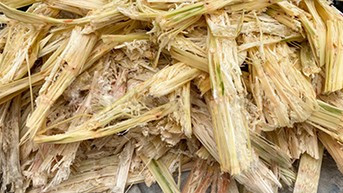
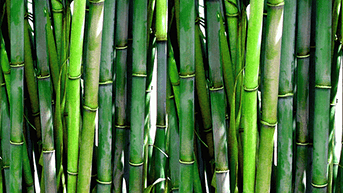
The basis of these packages is the use of plant fibers such as sugarcane bagasse, bamboo, and other renewable sources. These raw materials come from agricultural waste and low environmental impact resources. By utilizing remnants like sugarcane after sugar extraction, a second life is given to materials that would otherwise be discarded.
Key Stages in Plant Fiber Processing
The first step involves cleaning and crushing the selected plant fibers. They are then mixed and pressed with heat and pressure to form plates or molds with the desired format. This process ensures that the packaging retains its shape and strength. Once molded, the packages are dried and subjected to conditioning treatments to improve their moisture and liquid resistance properties.
Quality Control and Safety Standards
Each batch of packages undergoes strict controls to ensure material uniformity and food contact safety. Tests on strength, tightness, and food suitability are conducted following current regulations. Additionally, packages usually have certifications guaranteeing their compostability and absence of harmful substances, ensuring a safe product for both consumers and the environment.
How to Select the Right Packaging for Your Product
Choosing the most appropriate plant fiber packaging for each product is key to ensuring functionality, sustainability, and a brand image aligned with the new demands of the HORECA sector.
Factors to Consider by Product Type
Each food requires specific characteristics in its packaging. For hot products, it is essential to select packages that withstand high temperatures and maintain the food's integrity. Liquid meals need secure lids to prevent spills and waterproof materials. For fruits, vegetables, or fresh products, it's important to prioritize packages that promote ventilation and freshness preservation, avoiding deterioration. Moreover, the size and shape of the package should adapt to the volume and presentation of each meal, optimizing the customer experience.
Recommendations for Maximizing Sustainability
To boost sustainability, opt for packages made from plant fibers from verified renewable sources, like sugarcane bagasse. Always prioritize compostable and biodegradable materials. A good choice also involves selecting suppliers that guarantee responsible production processes and the possibility of recycling or subsequent composting. Another recommendation is to look for packages with a natural finish, without artificial dyes or laminations, making it easier to return them to nature after use.
Quality Criteria and Certifications to Consider
Ensure the package has certifications validating its safety for food use and its environmental sustainability. Look for recognized seals like industrial and home compostability certification, in addition to ISO food safety certifications. Also, examine the package's strength, closure, and tightness, which are key for safe and efficient handling. Always choose manufacturers that can document the origin of raw materials and the traceability of the entire process.
Thus, you will be able to offer packaging aligned with your values and today's legal and consumer demands.
Plant Fiber Packaging: The Future of Sustainable Packaging
The demand for sustainability is driving a profound change in how food sector businesses tackle the packaging challenge. Plant fiber packaging represents a response to this demand, where respect for the environment and operational efficiency go hand in hand. By opting for these packages, businesses show a tangible commitment to reducing plastic waste and protecting the environment.
The future of packaging lies in renewable, biodegradable materials capable of integrating into the circular economy. Innovation in natural fibers like sugarcane bagasse confirms that it is possible to offer sturdy products useful for the transport and preservation of food and adapt to the sustainable brand image consumers seek today.
Society increasingly values companies that integrate responsible solutions into their supply chain. Choosing plant fiber packaging is not only a practical decision; it is a statement of principles. It is advancing toward more conscious hospitality, where each package counts in building a cleaner and more modern market. This choice places any business at the forefront of the sector, ready to respond to future regulations and the preferences of customers increasingly demanding sustainability.